
Smooth, Semi-smooth, Rough: what’s the difference?
Smooth, Semi-smooth and Rough surfaces are ideal for oil, tempera or acrylic paint. The Smooth finish is extremely hard and is also suited to silverpoint & graphite drawing.
SMOOTH
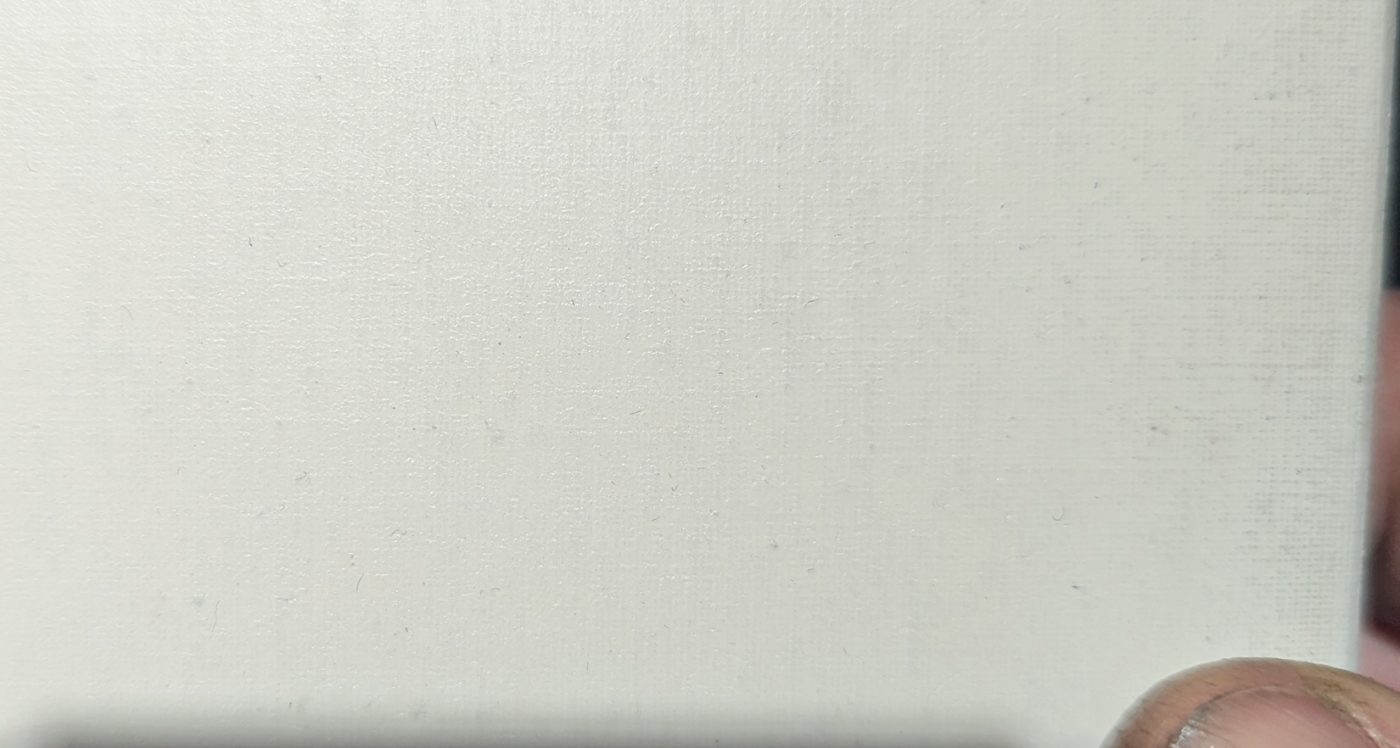
This is a very beautiful surface to feel with your hand – smooth like ivory.
Smoothness alters the refractive index of a surface. An artist wants a painting to return reflected light slap dab into the viewer’s eye. A lumpy surface scatters light; a smooth surface returns it. So, substrate smoothness allows an artist to paint thinly yet very brightly. And your impastos will stand out like castles.
It is almost impossible to photograph something flat & white to show its character!
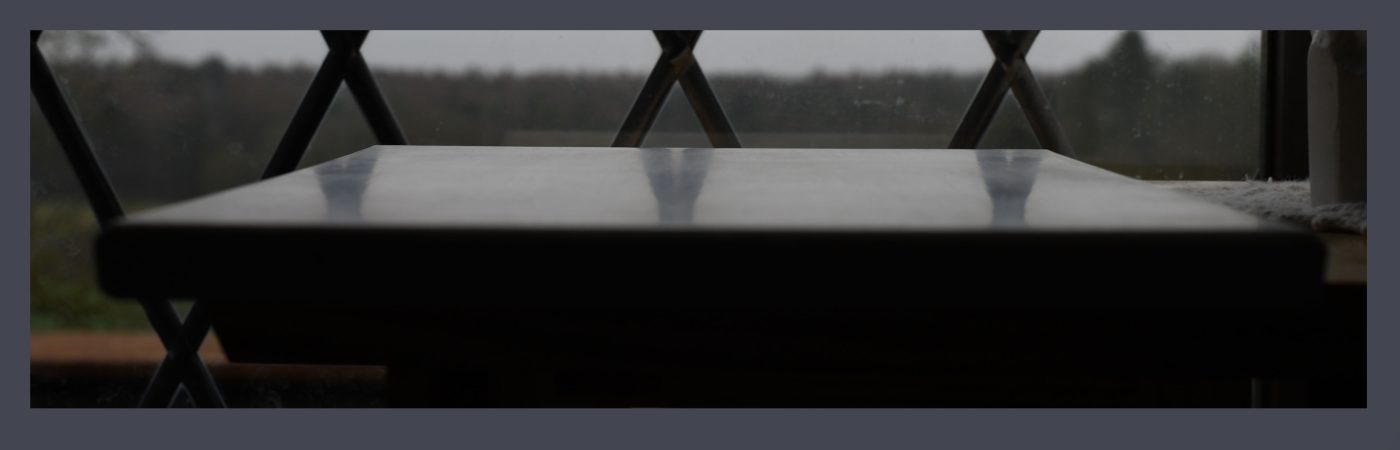

SEMI-SMOOTH
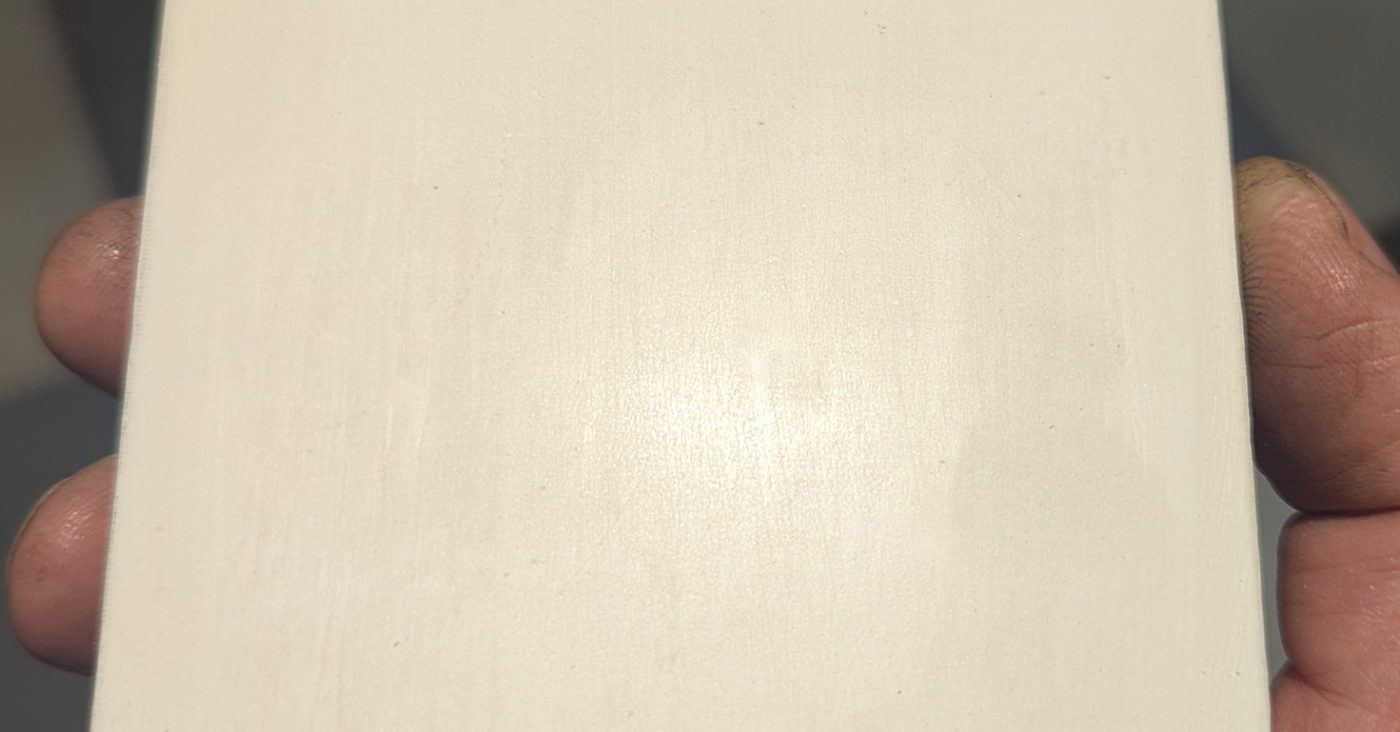
The semi-smooth panel is just a tiny bit less smooth than a smooth panel. It has a surface like the follicle patterns on calfskin vellum. Its purpose is to just make sketching and the bigger brushstrokes a little bit easier – a rough surface is greedy & grabs the paint off your brush head.
The texture of the cotton cloth beneath the gesso is not really visible on a semi-smooth panel, but I leave a matrix of tiny hills and hollows to achieve this mid-level tooth. It is the most difficult surface to get right.
ROUGH
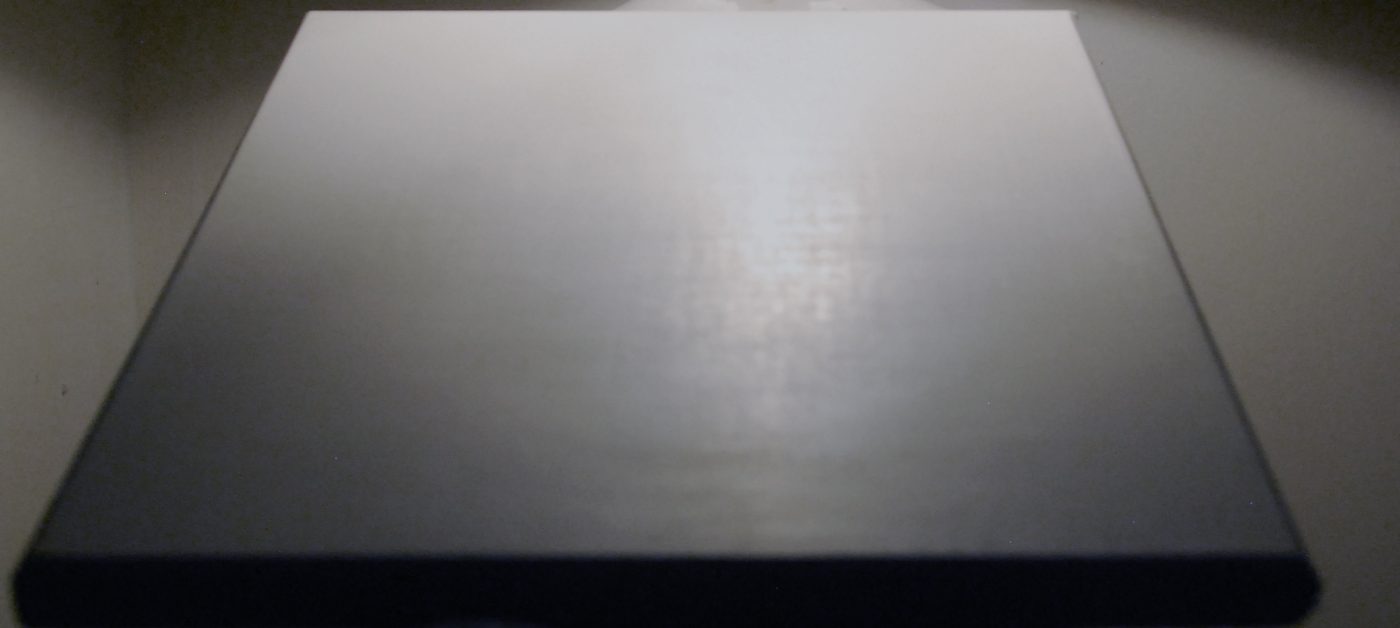
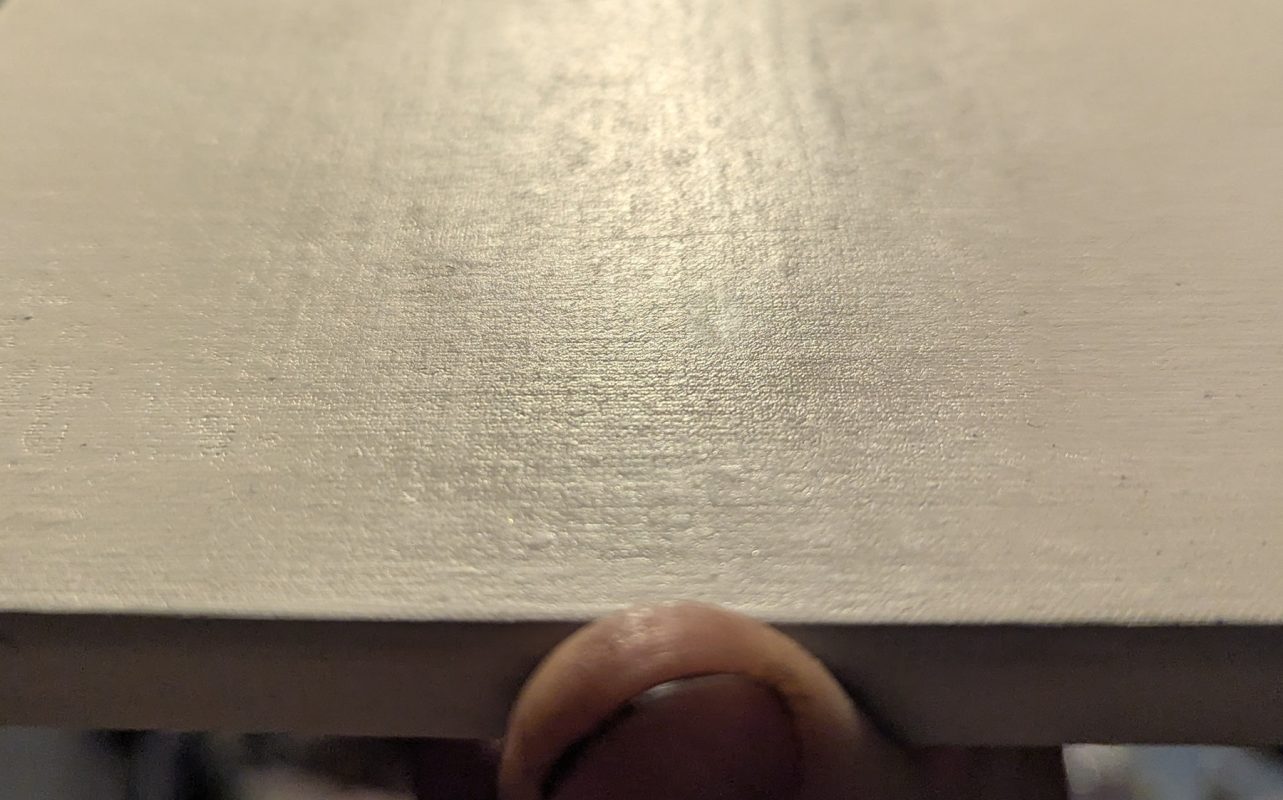
Rough panels suit alla prima work, swift preparatory sketches, expressive brushwork and the heavily loaded brush.
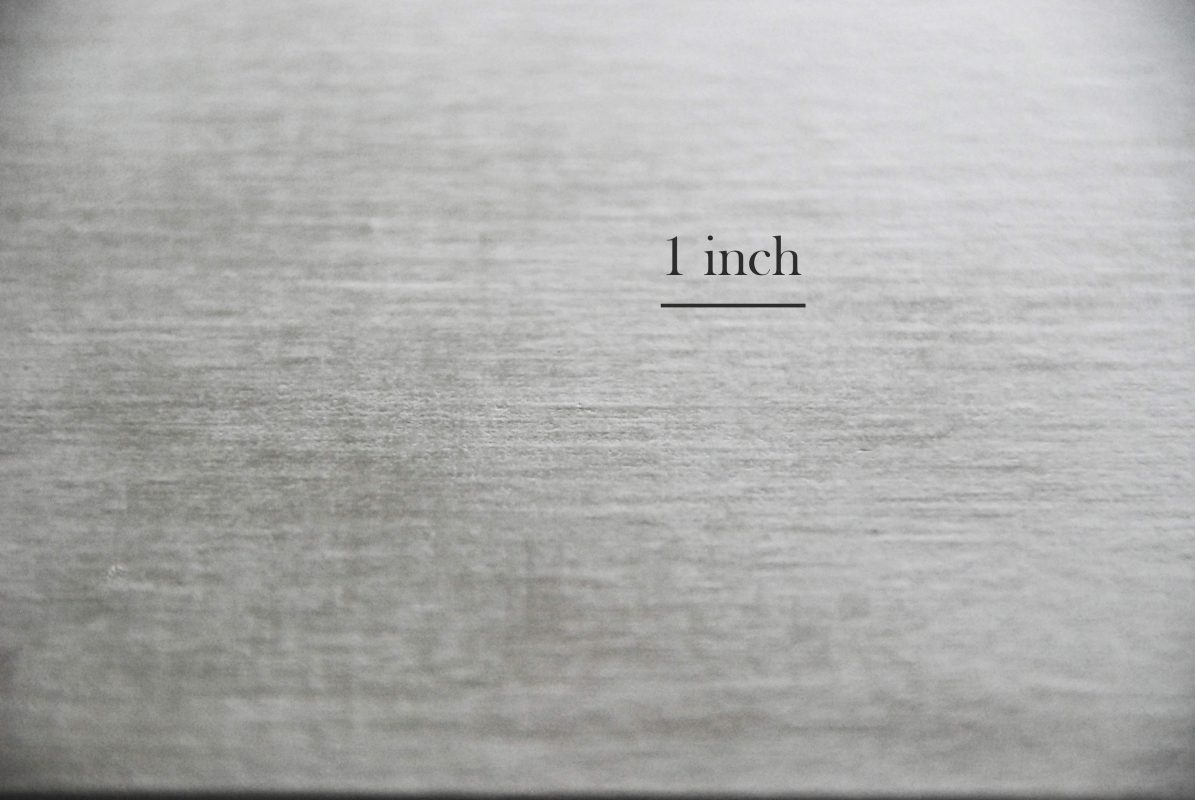
These panels aren’t anything like as rough in comparison to commercial painting boards, but a bit of the warp and weft of the cotton below is present as a fine matrix in the gesso.
For a more complete article on the properties of these three panel types please download, print or open the following PDF file. Thankyou.